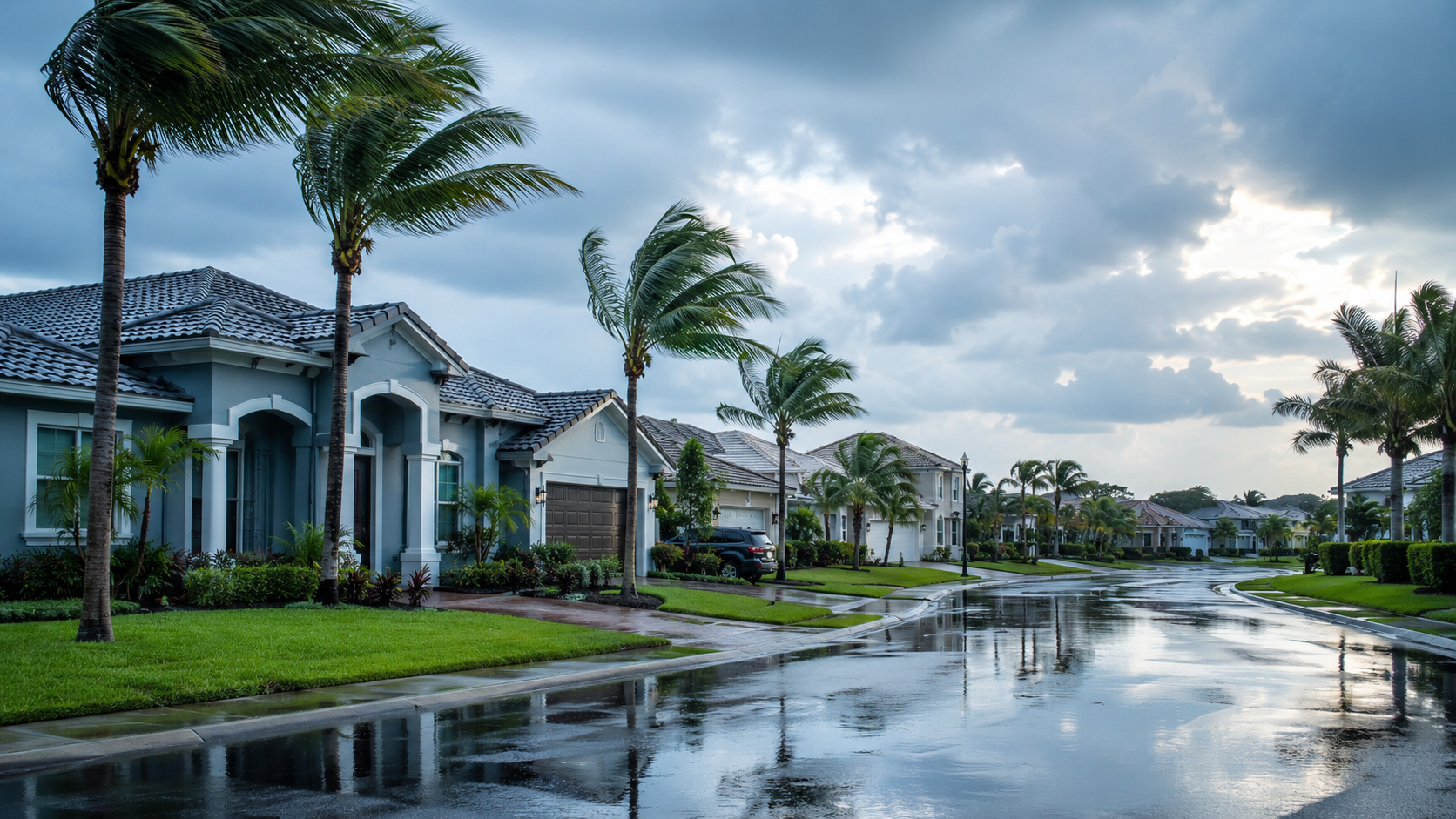
Hurricane season officially opened on June first, and severe weather across much of the country is already testing claims operations. When a major storm makes landfall or a hail event flattens a region, the response window is measured in days, not weeks. The carriers, TPAs, MGAs, and agencies that move fastest are not the ones scrambling to license adjusters after the event. They are the ones that treated June as a licensing readiness deadline, not the start of a quiet stretch before the real work begins.
The hard truth is simple: an adjuster who is not properly licensed and appointed in the affected state cannot legally work the claim. No amount of urgency changes that, and the work you do now determines how quickly you can deploy when it matters.
How P&C licensing requirements shift during catastrophe readiness cycles
In normal operations, licensing and appointment volume is predictable. Teams renew on schedule, onboard new adjusters in a steady cadence, and keep appointments current state by state. Catastrophe season breaks that pattern. A single declared event can require you to put hundreds of adjusters to work in a state where most of them have never filed a claim before.
Many states recognize this strain and offer emergency adjuster provisions, which can include temporary or emergency registration that activates only after a declared disaster. These provisions are useful, but they are not a substitute for real preparation; they come with conditions. Most require the adjuster to already hold a license in another state. Many carry strict time limits, specific filing steps, and documentation requirements. Some states do not offer them at all. If your deployment plan assumes every state will wave adjusters through after a storm, that plan has gaps you cannot see until the worst possible moment.
This is also where the designated home state concept and non-resident reciprocity matter. An adjuster’s home state license is the foundation for non-resident licensing elsewhere, and the rules for how that reciprocity works are not uniform. Understanding which of your adjusters can be deployed where, under which authority, is the difference between a roster that is ready and a roster that only looks ready on paper.
Why adjuster licensing and appointment timing become bottlenecks
Licensing is not instant. New license applications can involve fingerprinting, background checks, exams in some states, and continuing education that must be completed and recorded before a license is valid. Each of these steps takes time that you do not have once a catastrophe is declared.
Appointments add a second layer. In many states, an adjuster working on behalf of a carrier must be appointed, and that appointment is filed by the carrier, state by state, with its own processing time. When volume surges, these filings stack up. A backlog that would be routine in March becomes a crisis in September when every competing carrier is filing the same paperwork in the same overwhelmed states at the same time.
The result is a bottleneck that forms quietly and then breaks all at once. Adjusters sit idle waiting on appointments, claims pile up, and cycle times stretch. Policyholders wait longer for the help they were promised, and the operational cost compounds with every day of delay.
Where data gaps appear when teams scale quickly
Scaling fast exposes weaknesses in how licensing data is tracked. When you are managing a few dozen staff adjusters, a spreadsheet can hold the line. When you are activating an emergency roster of hundreds of independent and staff adjusters across a dozen states, that same spreadsheet becomes a liability.
The gaps tend to cluster in a few predictable places. License expiration dates that no one flagged until it was too late. Continuing education that is technically incomplete and quietly invalidates a license. Appointments that were never filed or were filed in the wrong state. Adjusters listed as deployable who are not actually authorized to work where you need them. Each gap looks small in isolation. Together, on the day a storm hits, they decide how much of your roster is genuinely deployable and how much is a list of names you cannot legally put to work.
The deeper problem is that this information lives in too many places. State department of insurance records, NIPR data, internal HR systems, and adjuster firm rosters rarely agree with one another in real time. Reconciling them under pressure is slow and error prone. The teams that struggle most in catastrophe season are usually the ones discovering these discrepancies during the event rather than before it.
How operational prep in June prevents claims processing slowdowns later
The good news is that almost every catastrophe-season licensing failure is preventable with work done now, and June is the window to get ahead of it.
Start by auditing your full adjuster roster against current, authoritative data. Confirm which licenses are active, which are approaching expiration, and which continuing education requirements are still outstanding. Renew anything that will lapse before the heart of the season. Next, review appointment status in the states where you carry the most catastrophe exposure, and file proactively rather than waiting for a declared event to force your hand. Then map the emergency adjuster provisions for your priority states so your team knows exactly what each state requires, what the time limits are, and which adjusters qualify. Finally, consolidate your licensing and appointment data into a single source of truth so that the next time you need to answer “who can we deploy to this state today,” the answer is immediate and reliable.
None of this is glamorous work, and that is exactly why it gets pushed aside until the pressure arrives. But the carriers and administrators who do it in June are the ones still processing claims smoothly in September while their competitors are stuck waiting on paperwork.
Turning regulatory complexity into readiness
The reason catastrophe-season licensing is so difficult is that the rules are fragmented, state specific, and constantly changing. Keeping pace with every state’s emergency provisions, appointment requirements, and continuing education standards is a full-time job on its own, and answering a single state-specific question by hand can eat an afternoon you do not have during a CAT event.
This is the problem Rhoads built its tools to solve. PCRM gives teams a centralized view of licensing and appointment status so that data gaps surface in June rather than during a storm. REGINA, the Rhoads AI regulatory assistant, helps compliance and operations teams get fast, reliable answers to state-specific licensing and appointment questions, so the people coordinating deployment are not waiting on a manual research process when speed matters most. Together they turn a scramble into a workflow you can trust.
Catastrophe season rewards the prepared. The licensing groundwork you lay this month is what lets your adjusters get to work the moment they are needed, and it is what keeps your claims operation moving when everyone else is stuck waiting. The time to get ready is now, while the forecast is still quiet.